
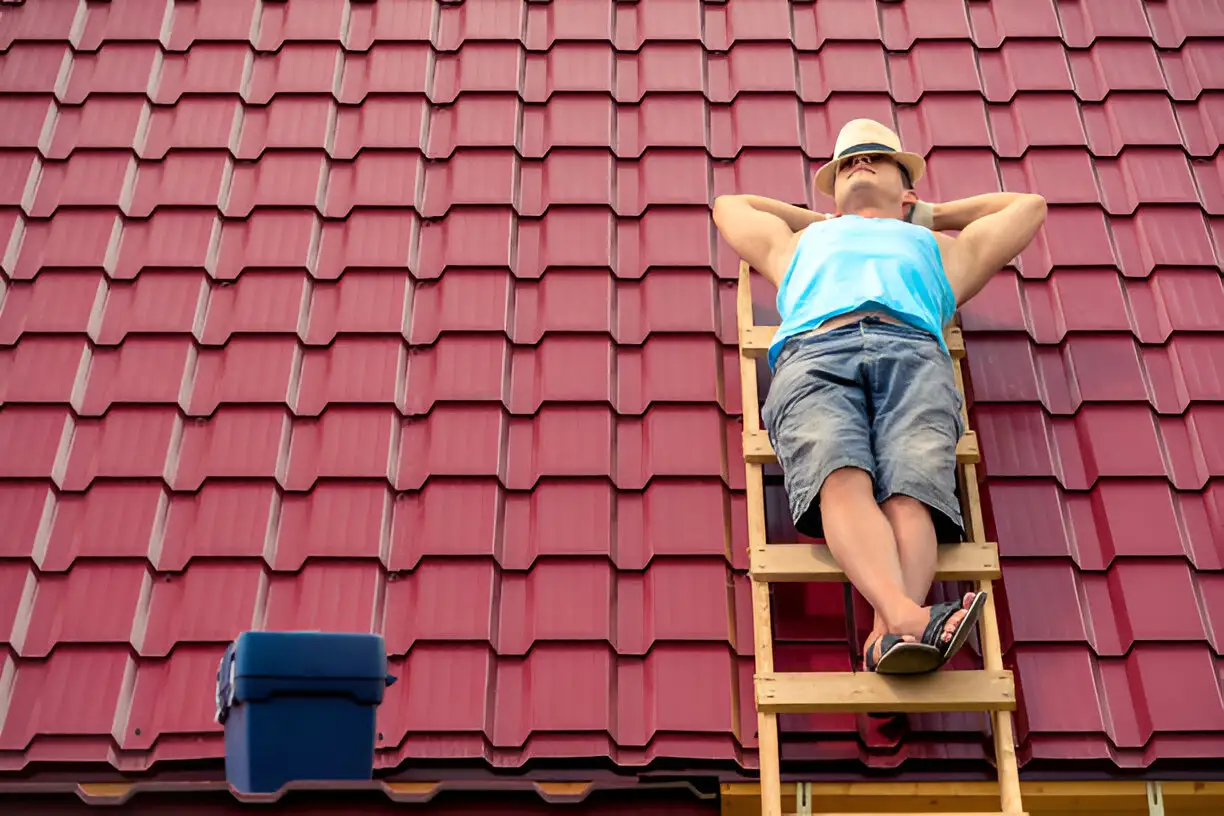
When faced with a leaky or damaged roof, many homeowners in Sydney and across New South Wales find themselves wondering, “Can I repair my roof myself?” It’s a valid question, especially considering the potential cost savings of DIY roof repair compared to hiring professional services like RCG Roofing. This comprehensive guide aims to help you understand when it’s appropriate to tackle roof repair yourself and when it’s best to call in the experts.
The decision to repair your roof yourself should be based on several factors, including your skill level, the extent of the damage, safety considerations, and the type of roof you have. While DIY roof maintenance can be rewarding and cost-effective for minor issues, more complex problems often require professional expertise to ensure proper repairs and long-term roof integrity.
Assessing Whether You Can Repair Your Roof Yourself
Understanding Your Roof Type
Before deciding if you can repair your roof yourself, it’s essential to understand what type of roof you’re dealing with. In Sydney and surrounding New South Wales areas, common roof types include:
- Metal roofing – Popular for durability and weather resistance
- Concrete tile – Common in many suburban homes
- Terracotta tile – Found in many heritage and traditional homes
- Slate – Premium roofing option with long lifespan
- Membrane roofing – Often used on flat or low-pitch roofs
Each roof type requires different repair techniques and materials. For instance, repairing a metal roof involves different skills and tools than fixing concrete tiles. Understanding your specific roof type will help determine if a DIY approach is feasible.
Common Roof Issues You Might be Able to Fix Yourself
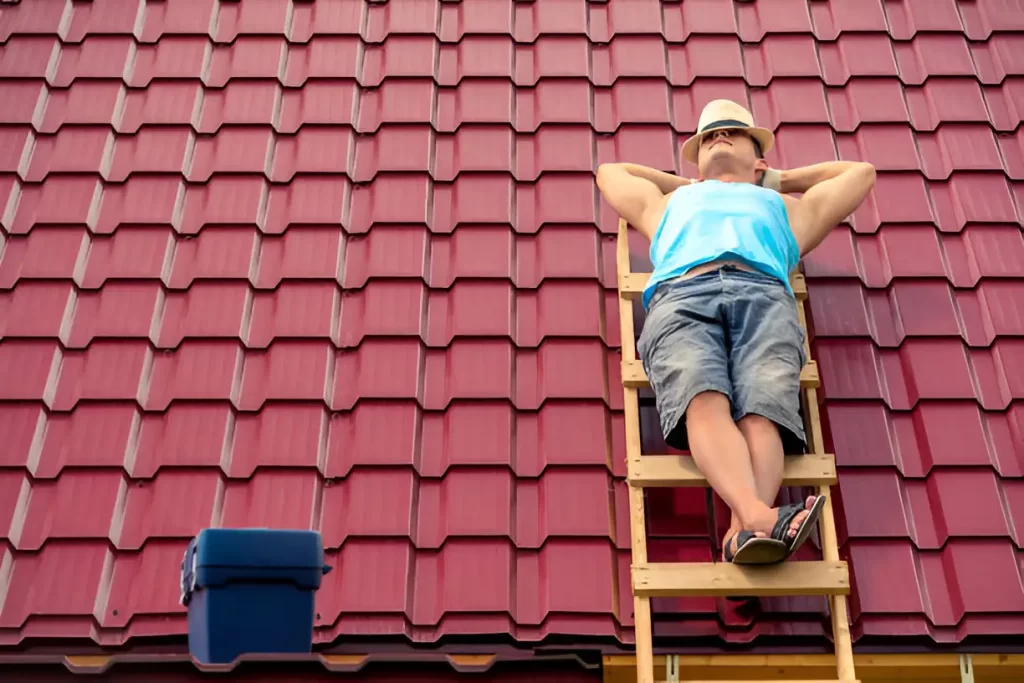
Some roof problems are more DIY-friendly than others. Here are issues you might be able to address on your own:
- Small leaks – Localized leaks can sometimes be repaired with roofing cement or sealant
- Damaged flashing – Simple flashing repairs may be manageable for handy homeowners
- Minor tile or metal sheet replacements – Individual damaged components can be replaced
- Gutter cleaning and repair – Maintaining gutters is essential for roof health
- Moss and debris removal – Regular cleaning helps prevent water damage
When Professional Roof Repair is Necessary
While considering if you can repair your roof yourself, it’s crucial to recognize situations where professional services like RCG Roofing are necessary:
- Structural damage – Any issues affecting the roof’s structural integrity
- Extensive water damage – Signs of widespread leaking or water intrusion
- Large areas of damage – More than a few tiles or sheets require replacement
- Steep or complex roof designs – Safety concerns may outweigh cost savings
- Warranty considerations – DIY repairs may void manufacturer warranties
Many Sydney homeowners underestimate the complexity of roof repair. What appears to be a simple fix can often indicate more significant underlying issues that only professionals can properly diagnose and address.
Safety Considerations Before You Repair Your Roof Yourself
Essential Safety Equipment
If you decide to repair your roof yourself, safety must be your top priority. Working at height carries significant risks, and proper safety equipment is non-negotiable:
- Sturdy ladder – Properly secured and extending at least 3 feet above the roof edge
- Safety harness – Essential for steep roofs and higher structures
- Non-slip footwear – To maintain traction on various roofing materials
- Gloves – For protection against sharp edges and hot surfaces
- Eye protection – To guard against debris and dust
- Hard hat – For protection against falling objects
Weather and Timing Considerations
In New South Wales, weather conditions play a crucial role in roof repair safety:
- Avoid wet conditions – Roof surfaces become extremely slippery when wet
- Mind the heat – Sydney summers can make roof surfaces dangerously hot
- Check wind conditions – Strong winds increase fall risks and make handling materials difficult
- Choose morning hours – Work when temperatures are moderate and visibility is good
Legal and Insurance Considerations
Before climbing up to repair your roof yourself, consider these important legal aspects:
- Insurance coverage – Many home insurance policies don’t cover DIY roof repairs
- Local regulations – Some New South Wales councils require permits for roof work
- Strata considerations – If you live in a strata property, you may not be allowed to perform your own roof repairs
- Height restrictions – Australian regulations may restrict non-professional work above certain heights
Tools and Materials Needed to Repair Your Roof Yourself
Essential Tools for DIY Roof Repair
If you’ve assessed the situation and decided you can repair your roof yourself, you’ll need the following tools:
- Roofing hammer – Specialized hammer with a gauge for nail placement
- Pry bar – For removing damaged materials
- Utility knife – For cutting roofing materials
- Caulking gun – For applying sealants
- Measuring tape – For accurate material sizing
- Chalk line – For creating straight guidelines
- Extension ladder – With stabilizers for safety
- Safety equipment – As detailed in the previous section
Materials Based on Roof Type
Different roof types in the Sydney area require specific materials:
For metal roofing:
- Replacement sheets matching your existing roof
- Roofing screws with rubber washers
- Silicone sealant for metal
- Touch-up paint to match your roof color
For tile roofing:
- Matching replacement tiles
- Roofing cement
- Tile clips or fasteners
- Underlayment material for damaged sections
For membrane roofing:
- Patching material compatible with your membrane type
- Appropriate adhesive
- Primer (if required)
- Edge sealant
Where to Source Materials in New South Wales
Quality materials are essential if you plan to repair your roof yourself. In the Sydney area, consider these options:
- Major hardware chains – Offer basic roofing supplies
- Specialized roofing suppliers – Provide professional-grade materials and advice
- Building recyclers – Good for matching heritage or unusual materials
- Online suppliers – Convenient but make sure to check compatibility
Professional services like RCG Roofing have access to higher-quality materials than what’s typically available to consumers, which is worth considering when weighing DIY versus professional repair.
Step-by-Step Guide: How to Repair Your Roof Yourself
Preparation Steps
Proper preparation is crucial if you decide to repair your roof yourself:
- Assess damage thoroughly – Inspect both exterior and interior signs of damage
- Gather all materials and tools – Have everything ready before climbing up
- Check weather forecast – Plan for 2-3 days of clear weather
- Inform household members – Let everyone know you’ll be working on the roof
- Set up safety equipment – Secure ladders and harnesses before beginning
- Cover and protect surrounding areas – Prevent damage to gardens and outdoor items
Basic Roof Repair Techniques
Here are some fundamental techniques for common DIY roof repairs in Sydney homes:
Fixing Small Leaks
- Locate the exact source of the leak (often different from where water appears inside)
- Clean the area thoroughly
- Apply appropriate sealant based on your roof material
- Allow proper curing time before testing
Replacing Damaged Sections
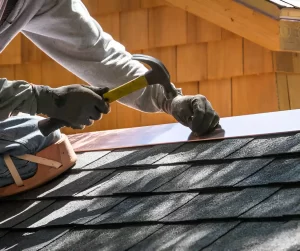
- Remove damaged material carefully to avoid affecting surrounding areas
- Ensure the underlayment is intact or replace as needed
- Install new materials according to manufacturer specifications
- Seal edges and joints properly
Addressing Flashing Issues
- Remove damaged flashing carefully
- Clean the area thoroughly
- Install new flashing with proper overlap
- Seal all edges and fasteners
Finishing and Testing Your Repair
After completing your DIY roof repair:
- Clean up thoroughly – Remove all debris from the roof surface
- Inspect your work – Check for any missed spots or issues
- Test for leaks – A garden hose can help test repairs (in dry weather)
- Document your work – Take photos for future reference and potential insurance needs
Common Mistakes When You Repair Your Roof Yourself
Materials and Technique Errors
Many Sydney homeowners make these common errors when attempting to repair their roof themselves:
- Using incompatible materials – Not all roofing products work together
- Improper nail placement – Incorrect fastening leads to leaks and wind damage
- Inadequate sealing – Failing to properly seal joints and edges
- Overreliance on sealants – Using sealant as a permanent fix rather than a temporary solution
- Ignoring underlayment issues – Focusing only on visible materials while missing underlying problems
Safety Mistakes to Avoid
Safety errors can be costly or even deadly when you repair your roof yourself:
- Working alone – Always have someone present to assist or call for help
- Overreaching – Stretching too far rather than moving the ladder
- Carrying too much – Attempting to carry heavy materials up ladders
- Ignoring weather changes – Continuing work as conditions deteriorate
- Skipping safety equipment – Thinking you’ll be careful enough without proper gear
Long-term Consequences of Poor DIY Repairs
Improperly executed DIY roof repairs in New South Wales can lead to:
- Water damage – Incorrect repairs often lead to more extensive water intrusion
- Structural deterioration – Ongoing moisture problems can affect roof structures
- Mold growth – Common in Sydney’s climate when moisture enters the home
- Decreased property value – Poor repairs are visible to potential buyers
- Higher costs long-term – What starts as a small repair becomes a major expense
When to Call Professionals Like RCG Roofing
Signs Your Roof Needs Professional Attention
While some homeowners successfully repair their roof themselves, certain situations demand professional expertise:
- Multiple or recurring leaks – Indicating systematic rather than isolated issues
- Sagging roof sections – Suggesting structural problems
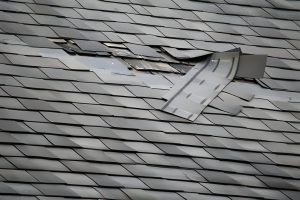
- Extensive storm damage – Beyond the scope of DIY repairs
- Age-related deterioration – Older roofs often have multiple concurrent issues
- Failed previous repairs – When DIY attempts haven’t resolved the problem
Benefits of Professional Roof Repair
Professional services like RCG Roofing offer significant advantages over DIY approaches:
- Proper diagnosis – Identifying the true cause rather than just symptoms
- Quality materials – Access to professional-grade products
- Warranty protection – Work usually comes with guarantees
- Code compliance – Ensuring repairs meet local New South Wales requirements
- Efficiency – Completing repairs quickly and effectively
- Safety – Eliminating personal risk associated with roof work
Cost Comparison: DIY vs. Professional Repair
When deciding if you should repair your roof yourself, consider the full cost picture:
DIY Costs:
- Materials (often at retail prices)
- Tool purchase or rental
- Your time and labor
- Potential costs of mistakes
- Possible future professional repairs if DIY fails
Professional Costs:
- Labor and expertise
- Materials (often at wholesale prices)
- Warranty protection
- Peace of mind
- Often more durable, long-lasting solutions
For many Sydney homeowners, the initial savings of DIY are outweighed by the benefits and long-term economy of professional roof repair.
Maintaining Your Roof After Repairs
Regular Maintenance Tips
Whether you repair your roof yourself or hire professionals like RCG Roofing, proper maintenance extends your roof’s lifespan:
- Regular inspections – Check your roof twice yearly and after major storms
- Gutter cleaning – Essential in leaf-heavy areas of New South Wales
- Debris removal – Don’t let leaves and branches accumulate
- Moss prevention – Particularly important in shadier areas of Sydney
- Trim overhanging branches – Prevent damage during storms
When to Schedule Professional Inspections
Even if you maintain your roof yourself, periodic professional inspections are recommended:
- Every 2-3 years for newer roofs
- Annually for roofs over 15 years old
- After major storms or extreme weather events
- When selling your home to address issues proactively
Extending Your Roof’s Lifespan
Proper maintenance can significantly extend the life of your Sydney home’s roof:
- Address small issues promptly – Don’t wait until problems grow
- Maintain proper ventilation – Essential in New South Wales’ climate
- Keep records of all repairs – Track the history of your roof’s maintenance
- Apply protective treatments – Appropriate for certain roof types
- Clean regularly – Prevent debris buildup and water pooling
Conclusion: Should You Repair Your Roof Yourself?
The question “Can I repair my roof myself?” doesn’t have a simple yes or no answer. It depends on multiple factors including your skill level, the extent of damage, safety considerations, and your comfort working at heights.
For minor issues like small leaks or individual damaged tiles, a DIY approach might be appropriate if you have the right tools, materials, and safety equipment. However, for more complex problems, structural issues, or extensive damage, professional services like RCG Roofing offer expertise, efficiency, and warranty protection that DIY repairs simply can’t match.
In Sydney and throughout New South Wales, roof repair requires careful consideration of local weather patterns, building codes, and material availability. While the temptation to save money by attempting to repair your roof yourself is understandable, weigh those potential savings against safety risks and the possibility of more expensive repairs if DIY efforts fail.
Whatever you decide, prioritize safety, use quality materials, and address roof issues promptly. Your roof protects everything beneath it—including your family and possessions—making proper maintenance and repair essential for your home’s longevity.
Remember that this article provides general guidance, and individual roof situations vary widely. When in doubt about whether you can repair your roof yourself, consult with a professional roofing service for an assessment of your specific needs.
 Digital Transformation By